Custom Stainless Steel Equipment for Storage and Process Applications
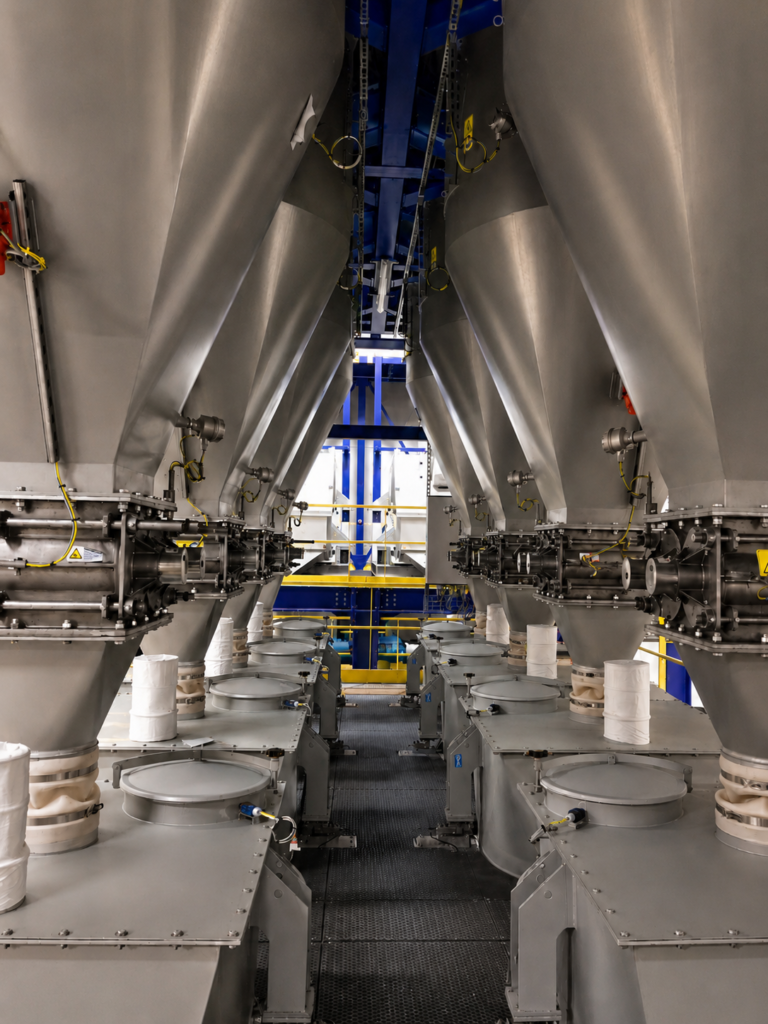
We design and manufacture custom storage silos, IBC containers, jacketed silos, pressure-related vessels, and fermentation tanks around material, capacity, cleaning, layout, and operating requirements.
Custom Stainless Steel Equipment for Storage and Process Applications
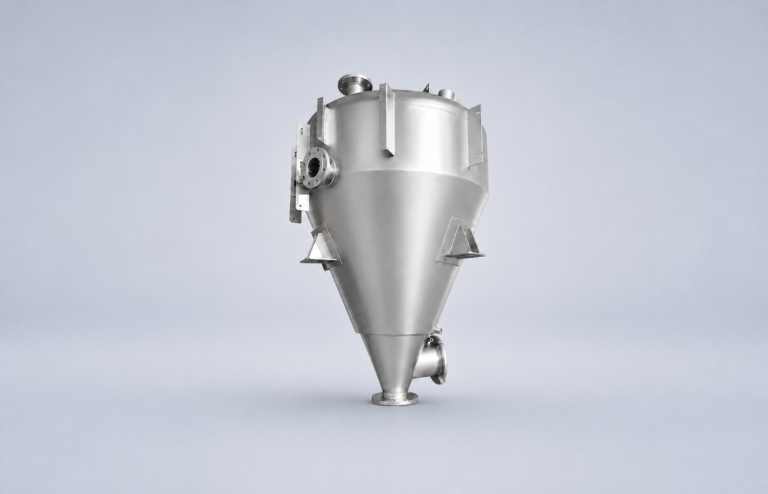
Storage Silos
Custom stainless steel silos for bulk storage, buffer capacity, stable discharge, and integration with conveying, weighing, or packaging systems.
View Details →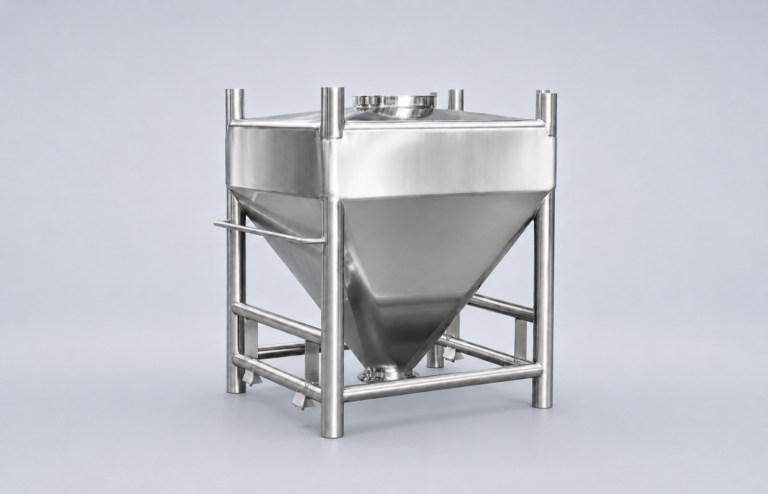
IBC Containers
Intermediate bulk containers for batch transfer, temporary storage, controlled discharge, forklift handling, and movement between production steps.
View Details →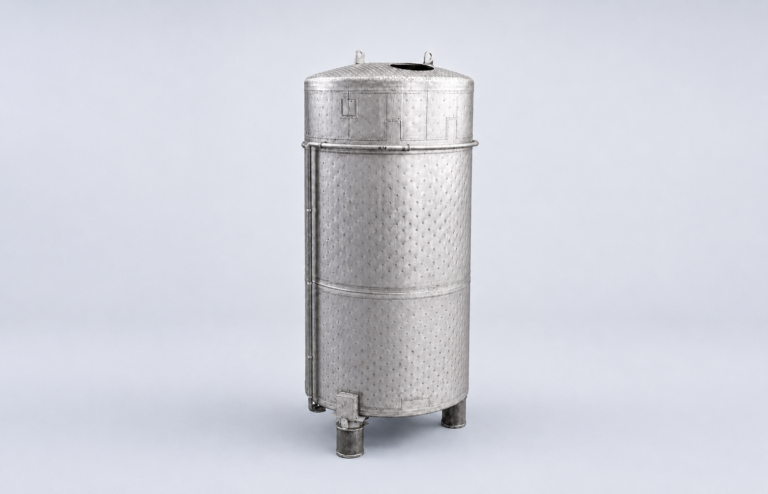
Jacketed Silos
Jacketed silos for heating, cooling, insulation, and storage conditions that require controlled material temperature.
View Details →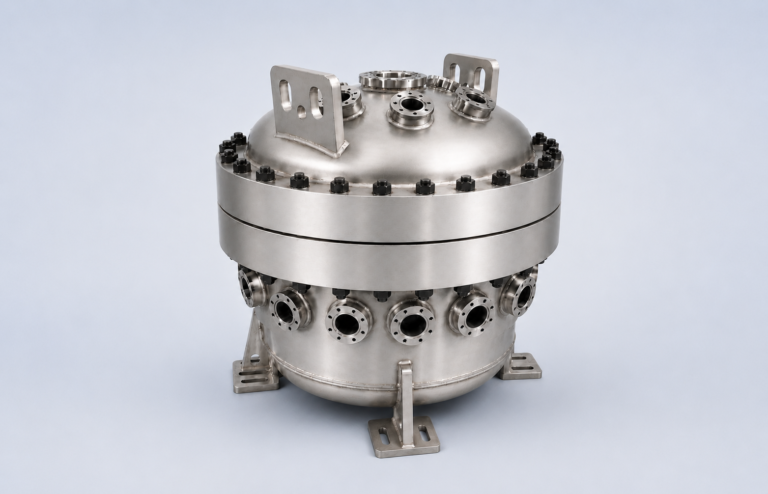
Pressure Silos
Pressure-related stainless steel silos for sealed operation, vacuum conditions, pressure-assisted transfer, gas protection, and project-specific documentation.
View Details →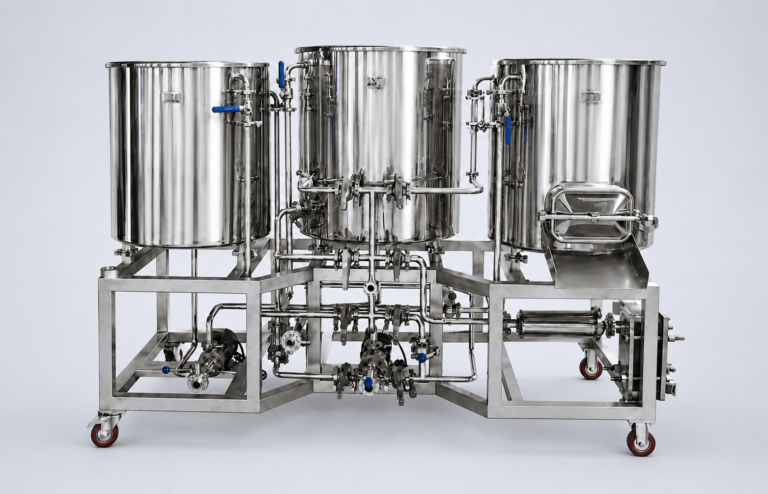
Fermentation Tanks
Stainless steel fermentation tanks designed around cooling, pressure control, product discharge, cleaning, and process-specific operating requirements.
View Details →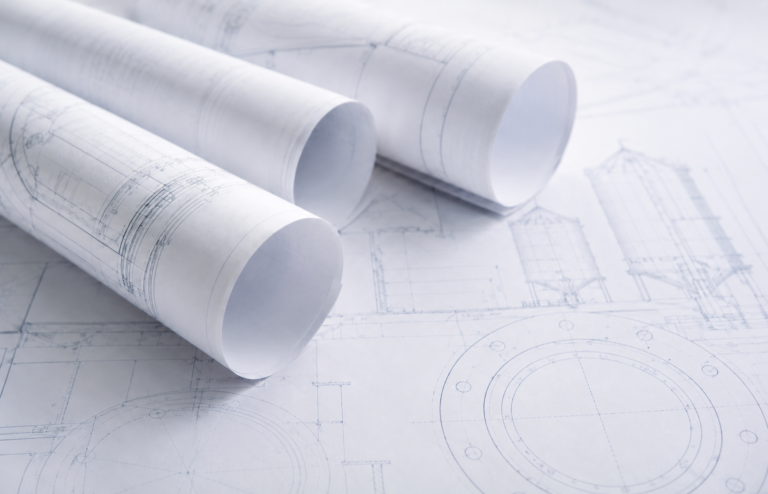
Custom Silo Engineering
Custom engineering support around material behavior, capacity, installation limits, hygienic requirements, outlet design, and downstream interfaces.
View Details →Why Work With Us for Custom Silo Projects
Custom silo projects run more smoothly when material behavior, storage requirements, fabrication details, and delivery coordination are considered from the beginning.
Application-Focused Engineering
Silo design is reviewed around real material behavior, discharge conditions, cleaning needs, and operating requirements.
Reliable Manufacturing Capability
Stainless steel fabrication, welding, finishing, assembly, and production coordination are supported by established factory resources.
Customization That Fits the Process
Dimensions, outlets, supports, fittings, surface finish, and material options can be adapted to actual project needs.
Material and Finish Flexibility
Material grades, internal finishes, polishing levels, and selected lining or coating options can be considered for different applications.
Export Project Coordination
International projects can be supported with technical communication, packing discussion, delivery coordination, and documents.
Clearer Project Alignment
Earlier requirement confirmation helps reduce repeated revisions and keeps custom silo projects moving forward more efficiently.
Custom Silo Equipment for
Different Material Applications
From food ingredients and pharmaceutical materials to fine chemicals, powders, new materials, and brewery fermentation, equipment design should follow the material, product-contact requirement, and storage or operating condition.

Hygienic handling
for food ingredients
Storage and handling equipment for powders, granules, liquids, and sensitive ingredients.

Controlled handling
for hygienic materials
Designed for cleanability, controlled transfer, and reliable product-contact conditions.

Compatible equipment
for demanding materials
For specialty powders, additives, resins, catalysts, solvents, and intermediates.

Stable storage
and discharge of powders
Designed for metal powders, alloy powders, ceramic powders, and blended materials.

Flexible systems
for evolving materials
Supporting functional powders, polymers, composites, additives, and scale-up projects.

Fermentation systems
for brewery operations
Tanks and storage solutions for fermentation, conditioning, cooling, CIP, and transfer.
Built Around Real Operating Requirements
Custom silo performance depends on more than capacity. Material, surface finish, outlet design, fittings, cleaning method, temperature control, and site layout all affect how equipment works in real production.
Material Selection
Material grades can be selected around product contact, corrosion resistance, hygiene, temperature, pressure, and cleaning conditions.
Surface Finish
Internal and external finishes can be adjusted for cleanability, durability, product contact, and hygienic storage requirements.
Outlet & Bottom Design
Cone angle, discharge structure, drain point, valve connection, and outlet arrangement can be reviewed for smoother discharge and easier cleaning.
Interface & Layout Fit
Nozzles, sensors, weighing modules, manways, sample points, and connection interfaces can be arranged around actual system layouts.
Temperature & Protection
Jacket, insulation, heating, cooling, pressure protection, lining, or coating options can be considered according to storage and operating conditions.
Cleaning & Hygienic Design
Structure, finish, cleaning access, sanitary fittings, dead-corner reduction, and fabrication details can be adapted for easier cleaning and hygienic control.
Manufacturing Control and Project Documentation
Custom equipment projects are supported by defined fabrication, inspection, and documentation steps, with qualification information discussed according to project scope and destination requirements.
Controlled Manufacturing from Material to Final Inspection
Material preparation, welding, finishing, assembly, inspection, and document preparation are coordinated through defined production steps for each custom project.
Pressure-Related Project Review
Applicable design basis, qualification references, inspection scope, and documentation requirements can be reviewed during project confirmation.
Fabrication & Inspection Control
Welding, dimensional checks, surface review, assembly, and agreed inspection points are coordinated with the confirmed manufacturing scope.
ISO-Based Management Systems
Quality, environmental, and occupational health management systems support more consistent internal control and production coordination.
Project Documentation Support
Relevant drawings, inspection records, material documents, and compliance files can be prepared according to the agreed project scope.
What Real Equipment Projects Have Taught Us
Through different silo and storage vessel projects, we have learned that reliable performance depends on more than capacity. Structure review, welding quality, surface treatment, and repeatable fabrication all affect project quality and long-term use.
Calculated Before Fabrication
Large silos, elevated installations, lifting points, and support structures need engineering review before fabrication starts.
- Strength review for shell, cone, supports, and key connections
- Consideration of load, lifting, installation, and operating conditions
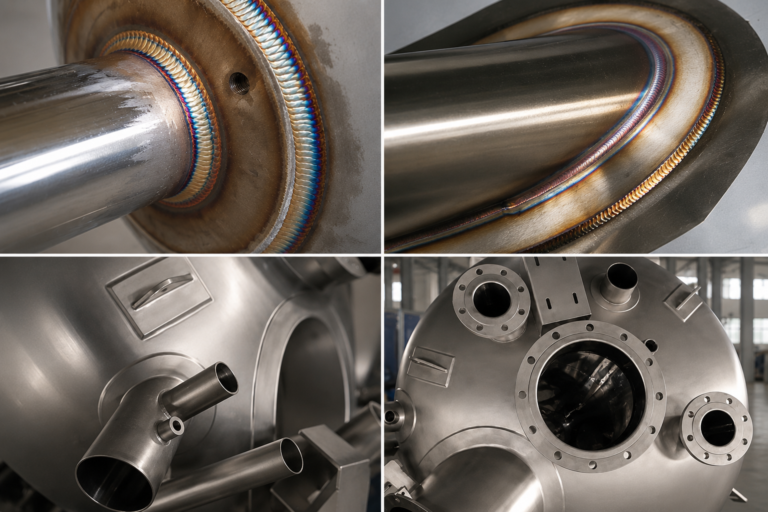
Welding and Finishing Matter
Weld seams and surface treatment affect cleanability, residue control, corrosion resistance, and the final equipment appearance.
- Controlled weld seams, transitions, and product-contact areas
- Surface polishing, grinding, or finishing based on application needs
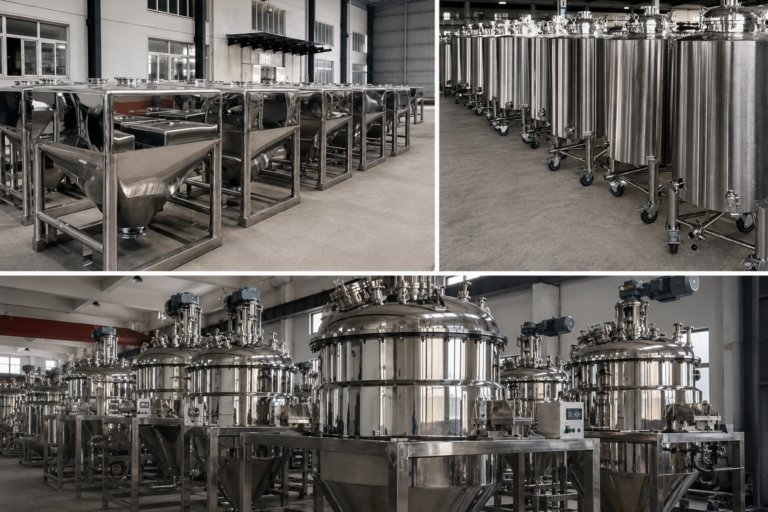
Consistent Quality at Scale
For multi-unit systems, repeated orders, or future expansion, consistent fabrication makes installation and follow-up cooperation more predictable.
- Consistent dimensions, interfaces, and connection positions
- Repeatable fabrication standards across multiple units
From Requirement Review
to Custom Silo Delivery
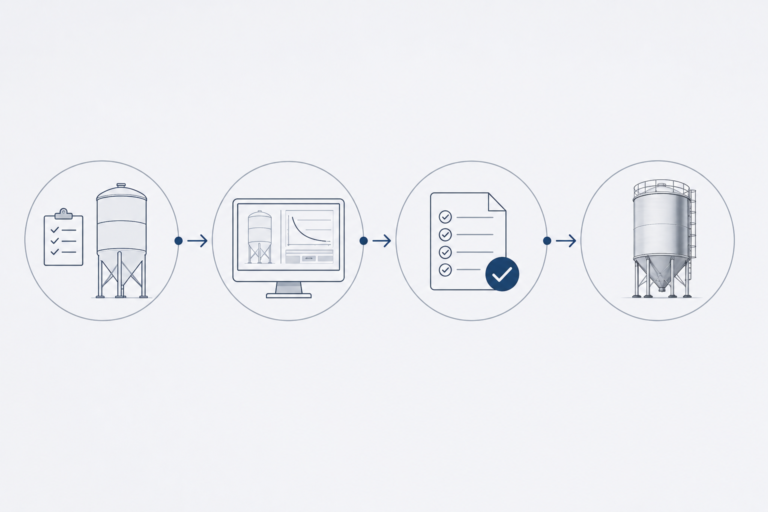
Custom silo projects move more smoothly when material properties, equipment scope, technical details, fabrication requirements, and delivery needs are clarified before production starts.
Requirement Review
Material type, capacity, storage purpose, cleaning needs, layout limits, temperature or pressure conditions, and project priorities are reviewed first.
Equipment Direction
The suitable direction may be storage silo, IBC container, pressure silo, jacketed silo, fermentation tank, or related storage vessel design.
Scope Alignment
Material grade, volume, surface finish, fittings, ports, insulation, pressure requirements, and documentation scope are clarified.
Drawing Confirmation
Main dimensions, openings, supports, outlet design, cleaning details, accessories, and connection interfaces are confirmed before fabrication.
Fabrication & Inspection
Production follows confirmed drawings and requirements, with welding, surface finish, fittings, and key inspection points checked during fabrication.
Packing & Delivery
Export packing, shipment preparation, packing photos, basic documents, and delivery coordination are arranged according to order scope.
Frequently Asked Questions
Here are common questions buyers ask before moving a custom silo or storage vessel project forward.
Can silos and storage vessels be customized for our material?
Yes. Dimensions, material grade, surface finish, outlet structure, fittings, and interfaces can be adjusted around material properties, capacity, cleaning needs, and site layout.
What information is helpful before asking for a quotation?
Useful details include material type, bulk density, required capacity or volume, discharge method, layout limits, finish requirements, and any available drawing or reference photo.
Can you start from a rough drawing or reference photo?
Yes. A rough sketch, layout drawing, equipment photo, or basic requirement description is often enough for initial discussion and direction review.
Can the design consider difficult powder discharge?
Yes. Cone angle, outlet size, discharge structure, internal finish, and related assistance options can be reviewed to support smoother and more stable material discharge.
Can export projects be supported with documents and delivery coordination?
Yes. Export project support can include technical confirmation, packing discussion, shipment preparation, basic documents, and coordination according to the order scope.
Tell Us What You Need
Share your silo, storage vessel, or related equipment requirement. A brief description, drawing, photo, or reference file is enough to begin the discussion.
You do not need a complete specification before contacting us.
Helpful Details, But Not Required
- Material or product to be stored or handled
- Approximate capacity, volume, or equipment size
- Expected equipment type or storage purpose
- Drawing, layout, photo, or reference file