Stainless Steel
Equipment for
Real Processes
Every material brings different risks, from discharge and cleaning to corrosion, temperature control, pressure conditions and line connection. We help match equipment direction to real operating requirements.

The same capacity can require a very different equipment design.
Selecting equipment by volume alone often leads to problems later: material hanging on the wall, difficult cleaning, wrong outlet height, unstable discharge, corrosion risk, or poor connection with existing machines.
Before recommending a silo, vessel, IBC container, jacketed unit, pressure-related vessel, fermentation tank, or accessory system, we review the material, process step, operating condition, cleaning method, and site interface.
Different Industries Bring
Different Process Challenges
Each industry brings different concerns around material flow, hygiene, corrosion, dust, temperature control, cleaning, and discharge. Equipment should be designed around these operating challenges rather than selected by capacity alone.

Reduce residue and
unstable material flow
Powders and ingredients may bridge, retain residue, or create cleaning concerns. Equipment should support hygienic contact surfaces, effective discharge, and easier cleaning.

Protect sensitive materials
during storage and transfer
Sensitive products require controlled handling and dependable cleanability. Product-contact design, sealing, transfer, and cleaning access should be reviewed carefully.

Address corrosion and
material compatibility
Chemical powders, liquids, and additives may place different demands on construction materials, seals, pressure conditions, and product-contact surfaces.
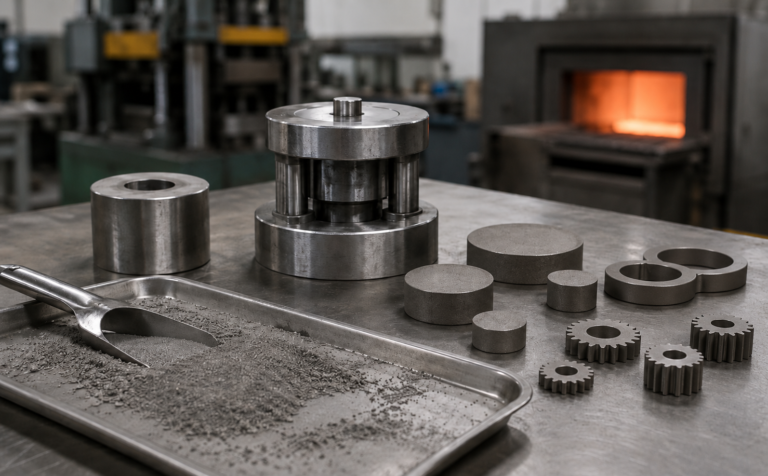
Improve powder flow
and feeding consistency
Fine metal and ceramic powders may bridge, generate dust, or feed unevenly. Hopper geometry, discharge design, sealing, and flow assistance all matter.
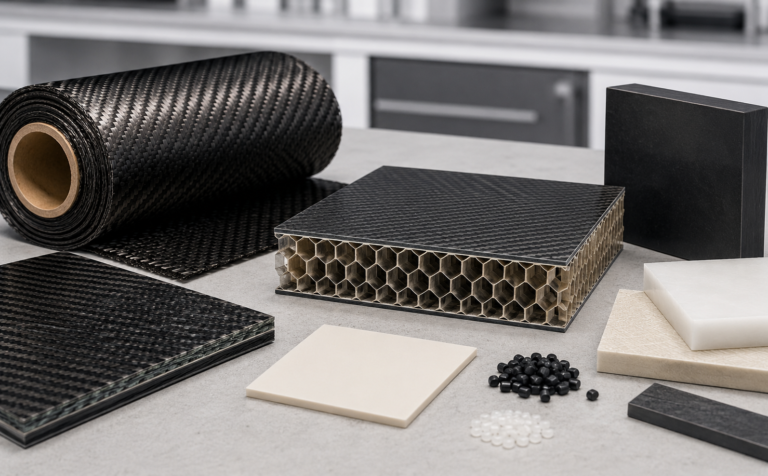
Keep equipment flexible
as processes develop
New materials often move from testing to scale-up with changing conditions. Equipment should allow practical adjustment in capacity, fittings, discharge, and integration.
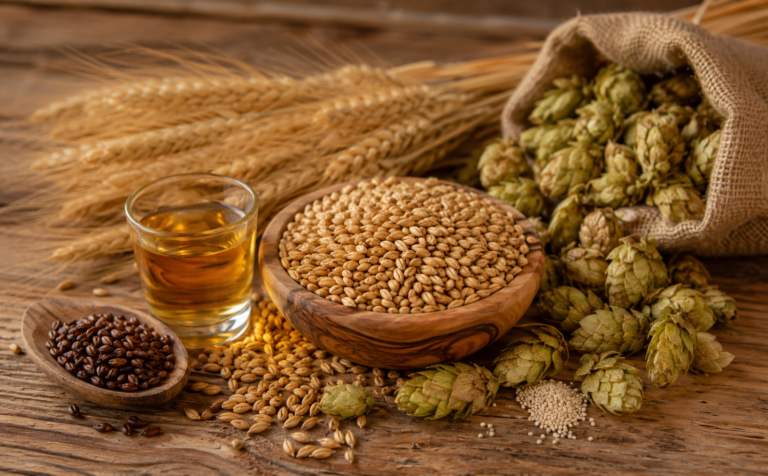
Maintain temperature control
and batch consistency
Fermentation performance depends on temperature stability, hygienic design, cleaning access, and controlled transfer between process stages.
From Application Risk to Practical Equipment Direction
We first understand the material and process, then narrow the equipment direction and key structural details.
Understand the Material
We review the material form, density, flowability, viscosity, moisture, stickiness, corrosion risk, and cleaning sensitivity.
Clarify the Process Step
The equipment purpose is confirmed first: storage, transfer, feeding, heating, cooling, mixing support, fermentation, or pressure-related operation.
Match Equipment Type
The direction may be a storage silo, IBC container, vessel, jacketed unit, pressure-related vessel, fermentation tank, or accessory system.
Check Process Interfaces
Inlet, outlet, valves, sensors, CIP, sampling, conveying, weighing, and downstream connections are reviewed with the site layout.
Confirm Key Details
Volume, dimensions, material grade, finish, cleaning method, supports, temperature or pressure condition, and document scope are clarified.
Support Project Delivery
After confirmation, fabrication, inspection, packing, export documents, and delivery coordination are arranged by project requirement.
Not every industry needs the same review priority.
Food applications may focus on hygiene and cleaning. Chemical applications may focus on compatibility and sealing. Powder applications may focus on discharge and dust control. Fermentation projects may focus on cooling, sanitary fittings, CIP, and transfer layout.
Common Questions Before Application Review
These answers help prepare the first discussion without making the page feel too heavy.
Can you recommend equipment if we only know the material and process? +
Can the equipment connect with our existing production line? +
Can hygienic or easy-clean requirements be considered? +
Can temperature, pressure, or corrosion conditions be reviewed? +
What information is useful for the first review? +
Not Sure Which Equipment Fits Your Industry?
Send us your material, process step, operating condition, cleaning requirement, or site connection. We can help review the equipment direction before detailed specification starts.
A complete drawing is not required for the first discussion.
Helpful Details to Share
- Industry and material to be handled
- Equipment purpose and process step
- Capacity, cleaning, temperature, or pressure condition
- Drawing, layout, photo, or reference file